Heavy TV watching associated with smaller brain structures, study finds
· Hacker News
· Hacker News
· Citizen
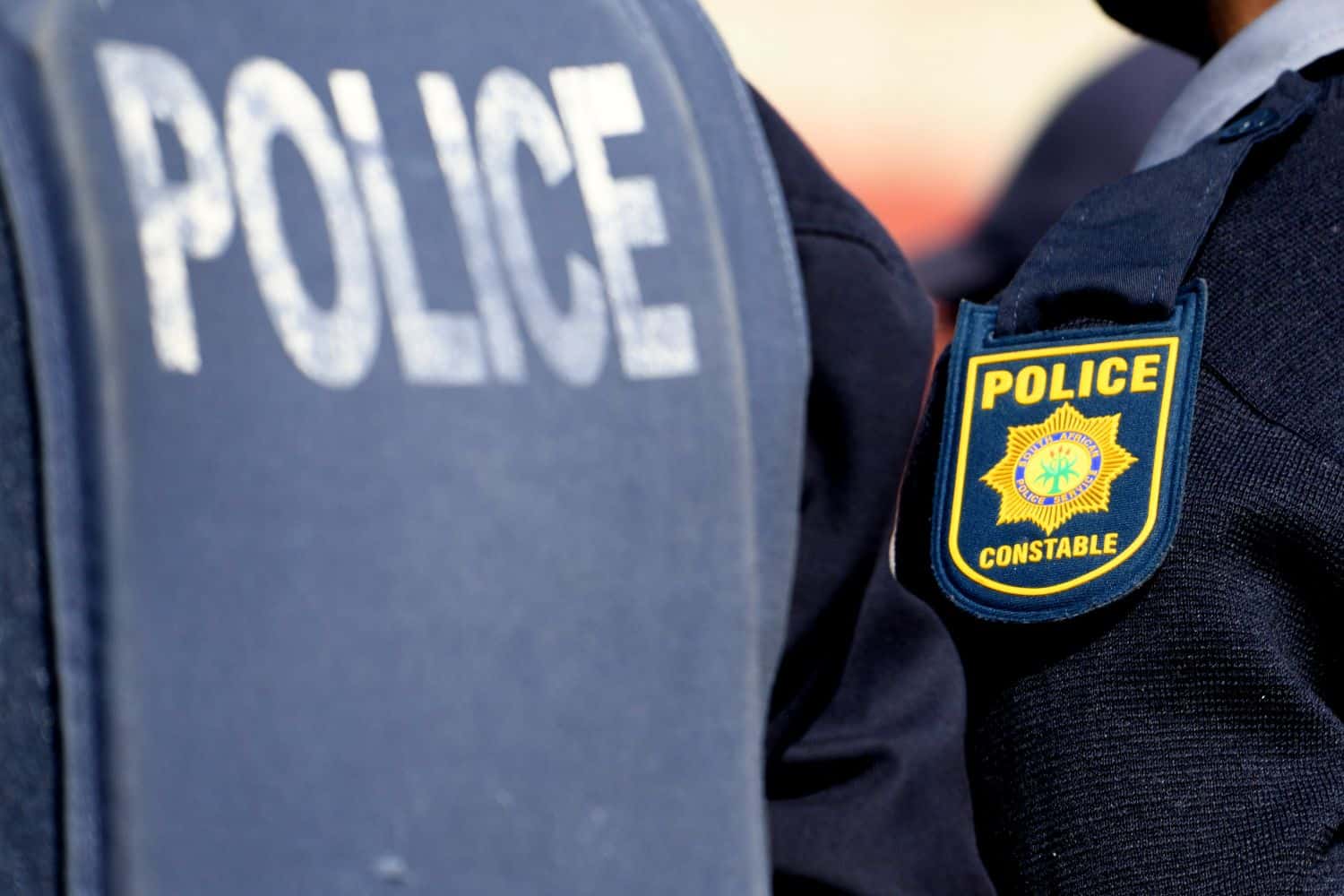
Acting National Commissioner of the South African Police Service (Saps), Lieutenant General Puleng Dimpane, has praised investigators for driving three high‑profile contract killing cases to trial, with alleged mastermind Vusimuzi “Cat” Matlala among the accused.
Police spokesperson Brigadier Athlenda Mathe confirmed that Dimpane commended members of the Political Killings Task Team (PKTT).
Visit bettingx.bond for more information.
She said Dimpane also commended Gauteng Counter Intelligence Operations (GCI‑OPS) for their relentless efforts in ensuring the matters reach the trial stage.
“On Monday, 20 July 2026, members of the Political Killings Task Team (PKTT) and Gauteng Counter Intelligence Operations will appear before the Gauteng South High Court, where accused persons, including the alleged mastermind of these contract killings, Cat Matlala, will stand trial on the attempted murders of businessman Joe Sibanyoni and five others, media personality Tebogo Thobejane and three others, and musician DJ Vettys and two others,” Mathe said.
Dimpane lauded the investigators for their resilience and determination in building watertight cases against those allegedly responsible for planning and executing the attacks.
“The commencement of this trial is the result of months of meticulous investigations, intelligence‑driven operations and evidence gathering by members who refused to give up until those responsible were brought before the courts,” she said.
According to Mathe, investigations into the three cases began in December 2024.
“Through extensive investigative work, detectives and intelligence operatives were able to link the accused across the three matters,” she added.
Dimpane emphasised that the State’s case is supported by compelling evidence.
“Our investigators have collected overwhelming evidence that exposes the role played by each accused. This evidence will be presented before the court, and we are confident that the truth will emerge during the trial,” she said.
Investigators have already recovered two firearms linked to the attempted murders of Sibanyoni and DJ Vettys, with further forensic and ballistic evidence forming part of the prosecution’s case.
Dimpane warned that the trial should serve as a deterrent to organised violent crime.
“This is a clear message to anyone who plans and executes contract killings: SAPS will pursue you relentlessly.
“We will use every available resource, every investigative tool and every intelligence capability at our disposal to ensure that criminal syndicates are dismantled and that those responsible are removed from society for a very long time,” she declared.
Mathe said Dimpane stressed that victims and their families deserve justice.
“The Acting National Commissioner reiterated her confidence in the work of the Political Killings Task Team, Gauteng Counter Intelligence Operations and all investigators involved in the matter and expressed hope that the trial will result in lengthy prison sentences for those found guilty,” she said.
· Yahoo Sports
The Utah Utes open the 2026 football season with home field advantage.
Morgan Scalley's team won't leave Salt Lake City until early October, with the entire non-conference slate at Rice-Eccles Stadium. This hasn't happened in 13 years and gives "The U" time to welcome Scalley in his first year as head coach.
Visit betsport.cv for more information.
Utah welcomes Idaho for the opener on Thursday, Sept. 3 before SEC opponent Arkansas on Sept. 12 heads far West to open the rare home-and-home series. They'll close out non-conference play with Utah State on Sept. 19. So how much will the friendly schedule cost the Utes?
The total price tag is $1.45 million, according to the Deseret News. Here's the breakdown of what was agreed upon in each contract.
"In the case of Utah’s game against Idaho, the Utes will get to open the season with a game they’ll surely win big. Idaho’s reward for a near-certain loss is $600,000, according to a copy of the game contract," according to Deseret News.
"Idaho will also receive 300 complimentary tickets to the game at Rice-Eccles Stadium with the option to purchase “up to but not limited to," 2,000 tickets in the visitors’ section."
Arkansas coming to Salt Lake City will be interesting. Utah will pay the Razorbacks $250,000, which they'll get back in 2029, per the report.
"Utah will provide Arkansas with 400 complimentary tickets and an allotment of 2,500 tickets for fans to purchase in the visitors’ section."
Arkansas athletic director Hunter Yurachek recently took to social media to fire off a shot about the late start time with the Utes. “I am extremely concerned and displeased about the recently released kickoff times for our football program in consecutive weeks this September and the impact it will have on the well-being of our student-athletes,” Yurachek wrote on X.
“ESPN has set our game at Utah for 9:15 p.m. Central Time on September 12. We anticipate returning to campus at approximately 6 a.m. on Sunday, September 13 — followed by an 11 a.m. home kickoff against Georgia just six days later on September 19.
“This assigned schedule will cost our student-athletes nearly a full day of rest and recovery that they would otherwise have available to them. This is not simply a competitive disadvantage — it is a genuine welfare issue for the young men who represent our program and contribute greatly to the bottom line of our television partners.”
Arkansas will be the second SEC team to visit Utah in the last three years. It's also the first-ever meeting between both schools.
As for Utah State, the contract is part of a "two-for-one" deal, and "calls for the Utes to pay the Aggies $600,000," according to the Deseret News. "Like the Idaho contract, the Aggies also receive 300 complimentary tickets to the game with the option to purchase “up to but not limited to” 2,000 tickets in the visitors’ section."
Here's a look at Utah's future non-conference football games currently on the books.
2027
09/04 - vs Miami (FL) (in Las Vegas, NV)
09/11 - Wyoming
09/25 - Southern Utah
2028
08/31 - Utah Tech
09/09 - Nevada
09/16 - at Wisconsin
2029
08/30 - Weber State
09/15 - at Arkansas
2030
08/29 - Utah Tech
09/07 - UCLA
09/14 - Utah State
2031
08/28 - at Utah State
09/06 - LSU
2032
09/11 - at LSU
2033
09/01 - Utah State
09/10 - Wisconsin
Where Utah ranked in Phil Steele’s College Football preseason poll
Utah football is all over social media after film session catches attention of NFL veteran
Joe D'Orazio sends strong message to recruits: 'Utah puts people in the NFL